Charting new frontiers
Building the future of climate collaboration at COP30
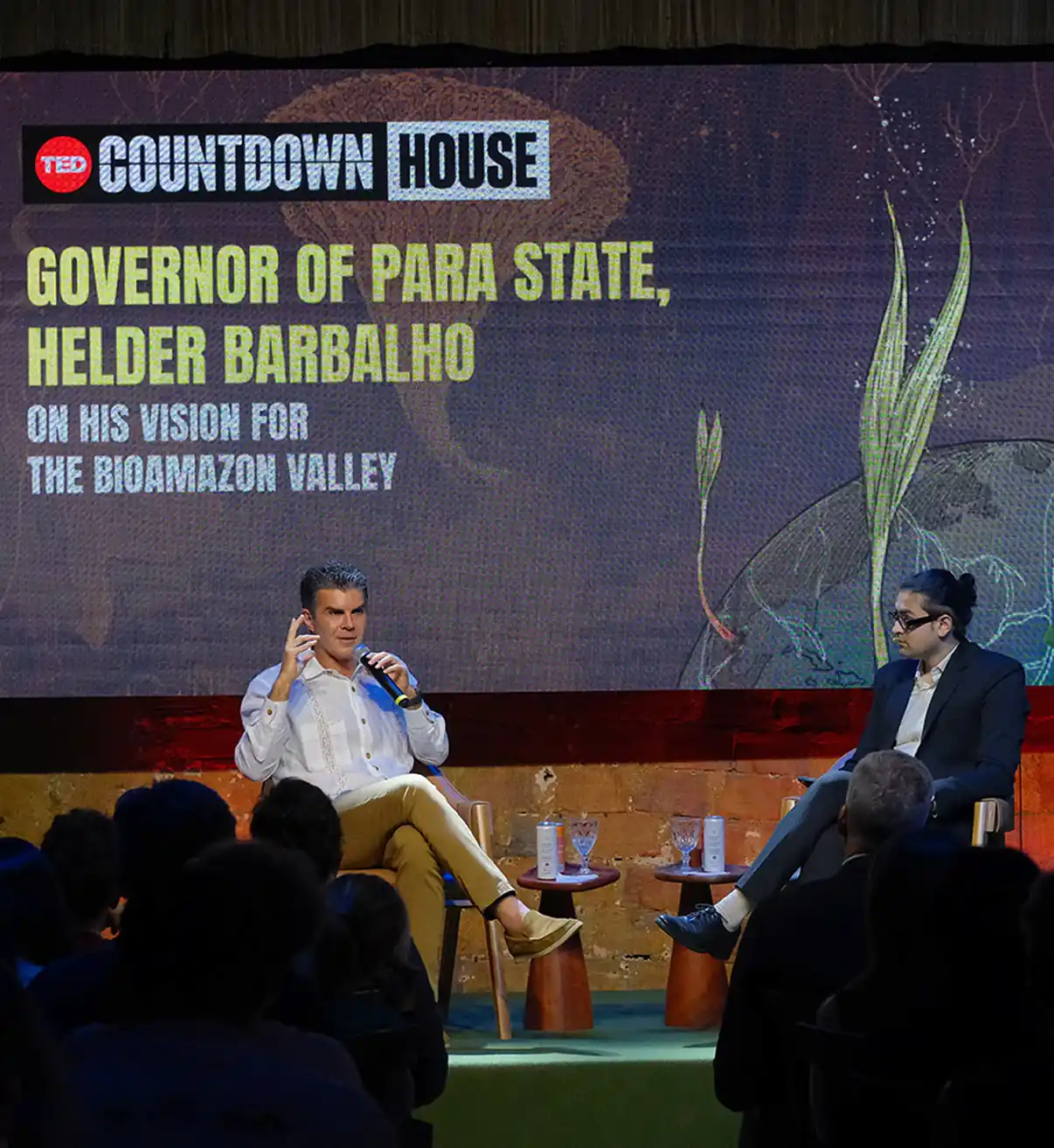
At the most consequential COP in a decade, the TED Countdown House became a gathering place for Indigenous leaders, former heads of state, technologists, entrepreneurs, activists and journalists to share candid, values-driven dialogue so often missing from climate conferences. Over 12 days in Belém, Brazil, the House served as the informal base for the former US delegation and policy leaders, including the sole US senator on the ground.
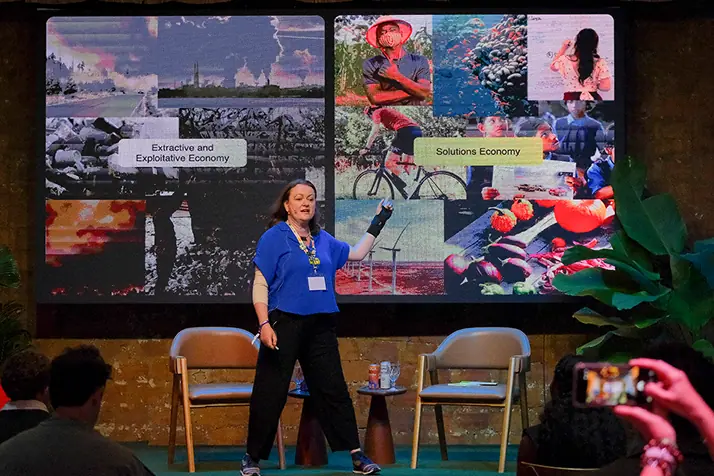
62 events with 55 partners — from moral leadership to AI-powered conservation to regenerative finance — demonstrated the breadth of solutions already advancing.
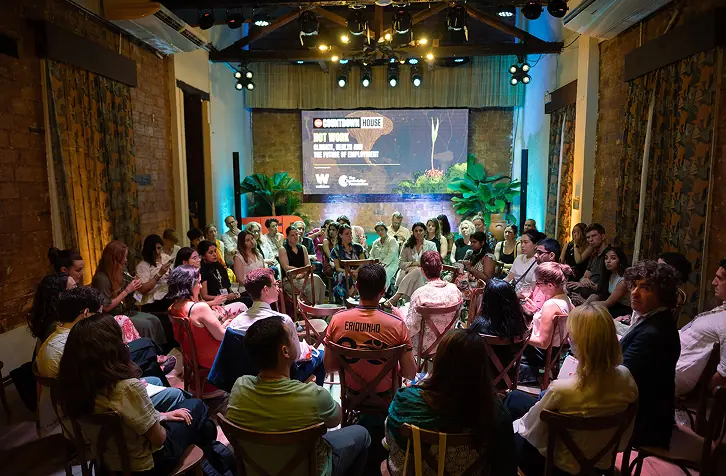
More than 3,000 attendees used the House as both a public forum and strategy hub, describing the conversations as “electric.”

18 Amazonian artists and 21 musical performances brought the culture and lived experience of the region to the center of global climate dialogue.
Tapping into the zeitgeist
“You have more power than you think.”
Carole Cadwalladr’s talk delivered a fearless takedown of tech executives using their platforms to amass unprecedented geopolitical power and dismantle democracy. Her rallying cry for new frontiers of digital resistance became one of 2025’s most-buzzworthy TED Talks, with 3.25 million views.
Exploring the AI Paradox
Four talks, four radically different visions of our technological future — all inviting TED’s audience to examine the complexities of AI through new lenses.
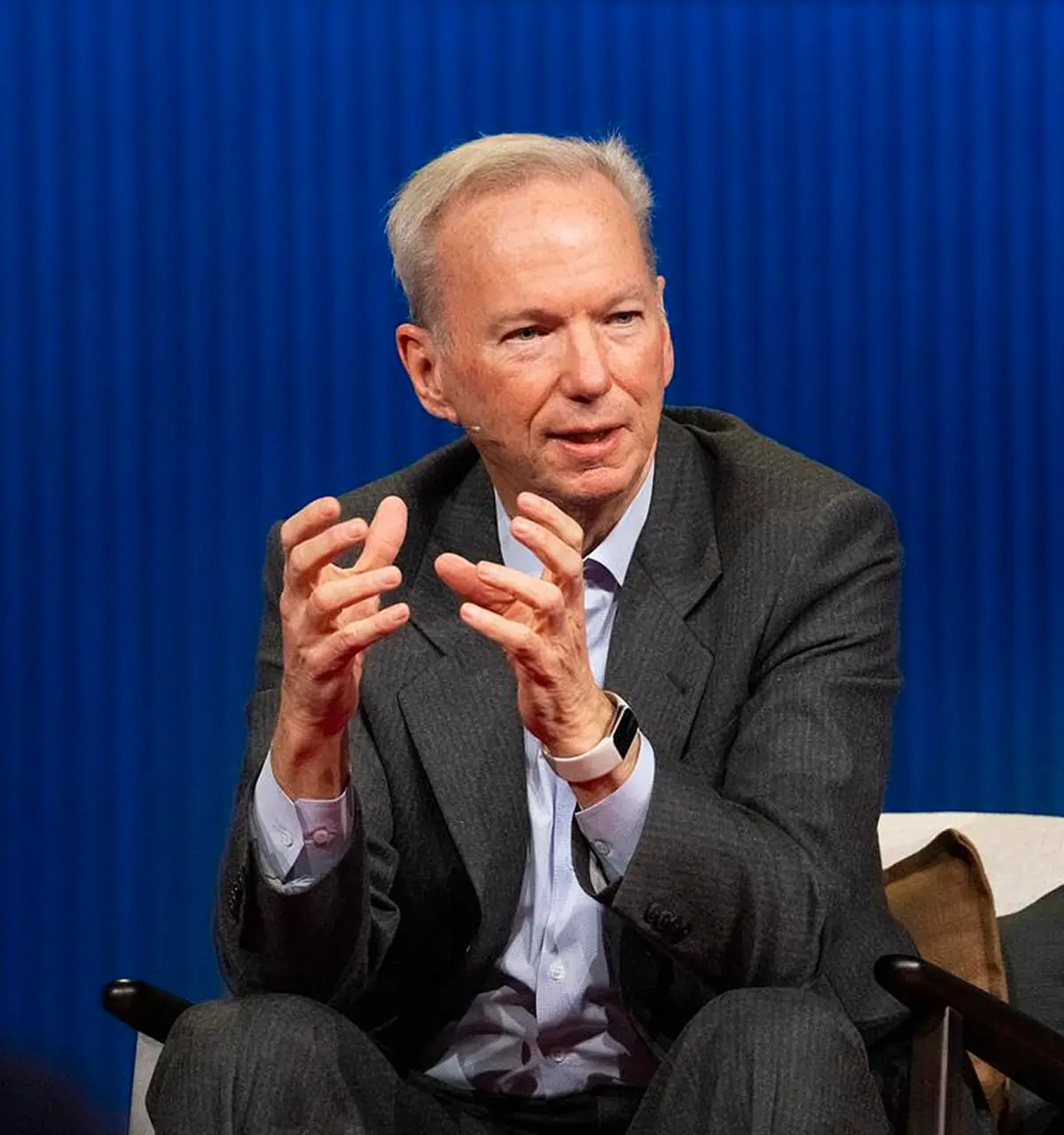
Eric Schmidt dropped a bombshell: The AI revolution is underhyped, emphasizing the need for everyone to engage with this rapidly advancing technology.
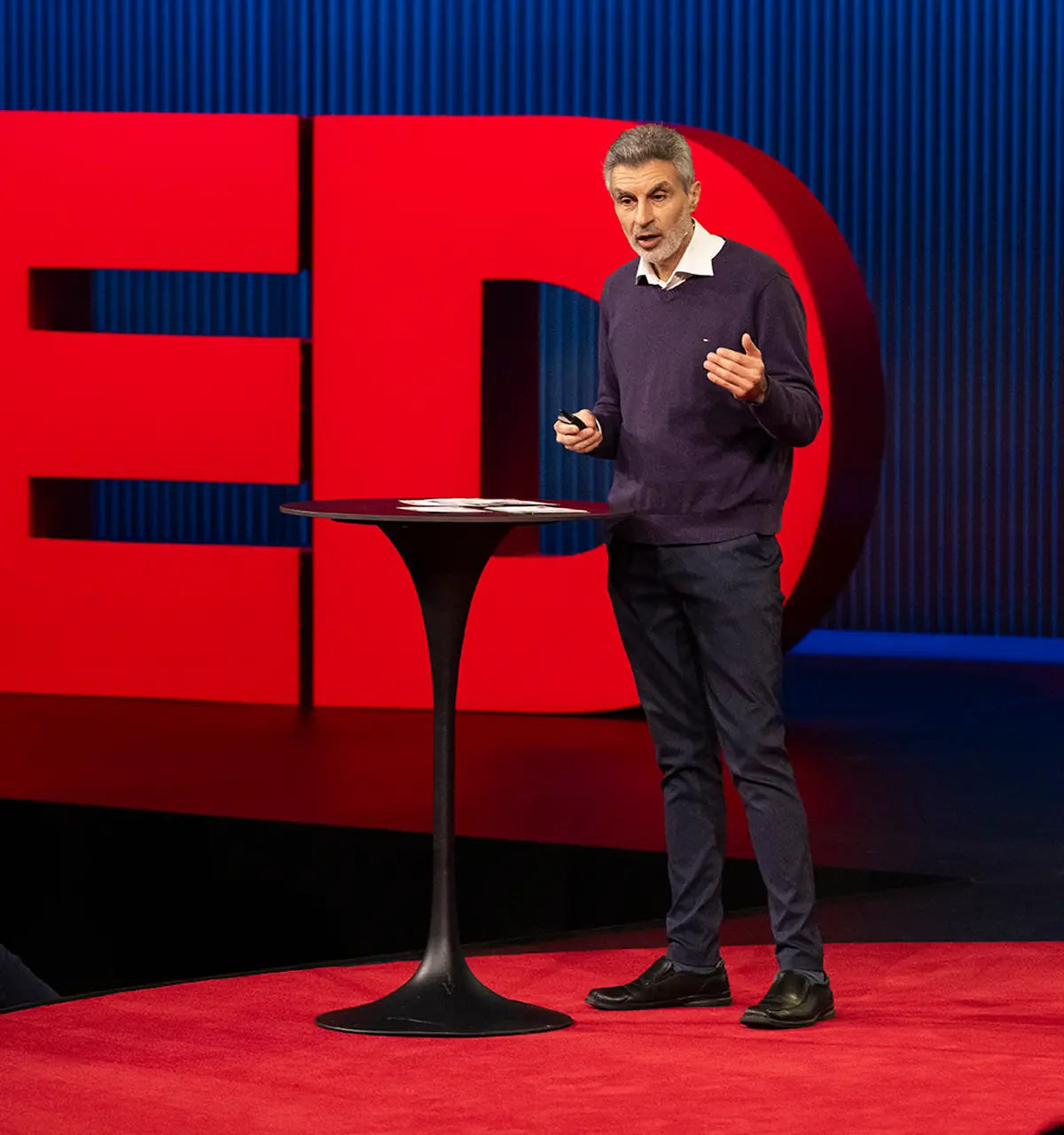
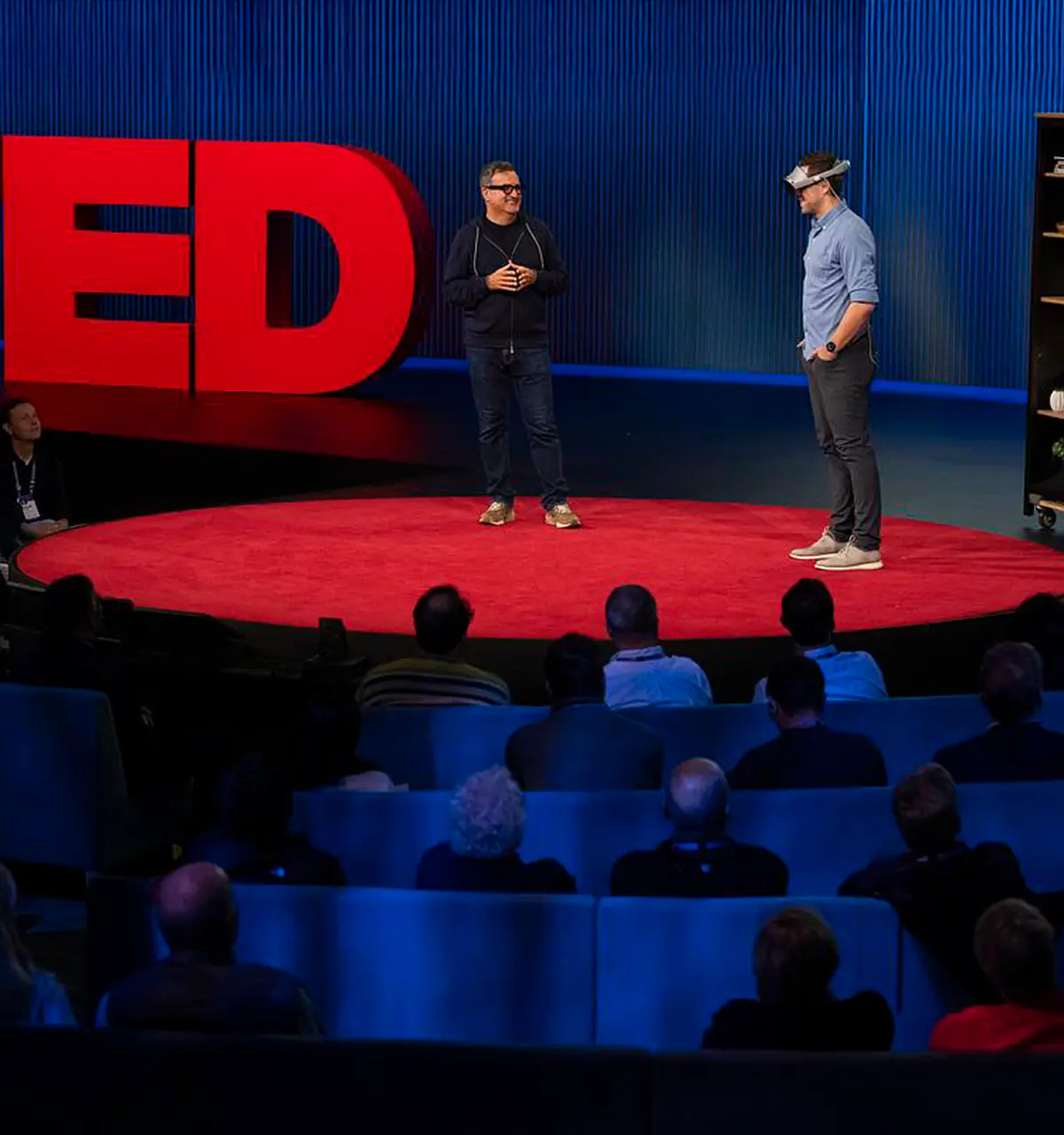
Shahram Izadi stunned audiences and captured tens of millions of viewers on social media by unveiling Google’s unreleased smart glasses.
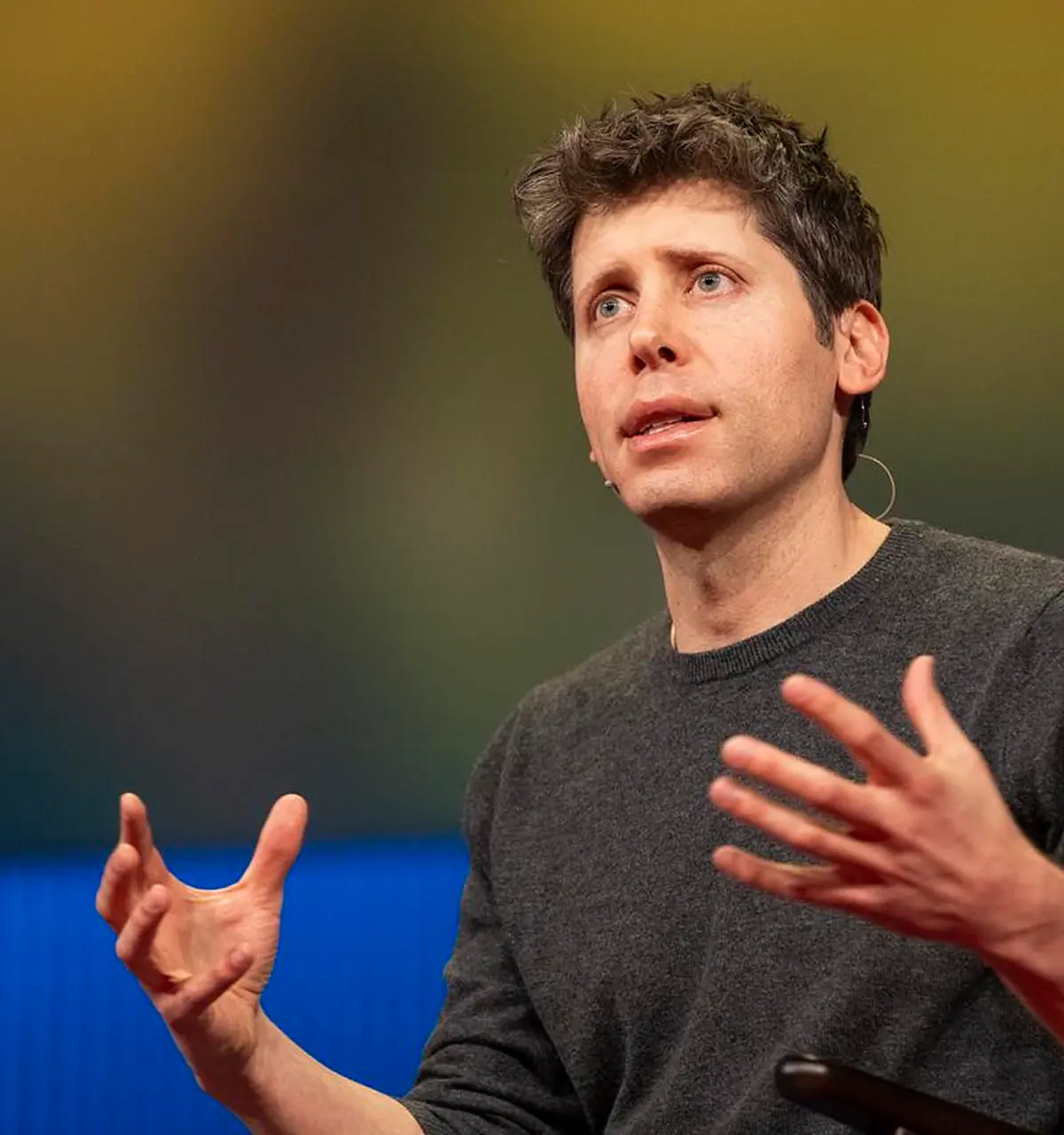
Sam Altman, CEO of OpenAI, shared his perspective on the critical questions of safety, power and moral authority that arise when AI models like ChatGPT become extensions of ourselves.
Expanding health horizons
AI Proteins, led by TED Fellow Chris Bahl, engineered miniproteins that can program immune cells to seek and destroy cancer while leaving healthy tissue untouched. His TED2025 talk announced that human trials are launching in 2028.
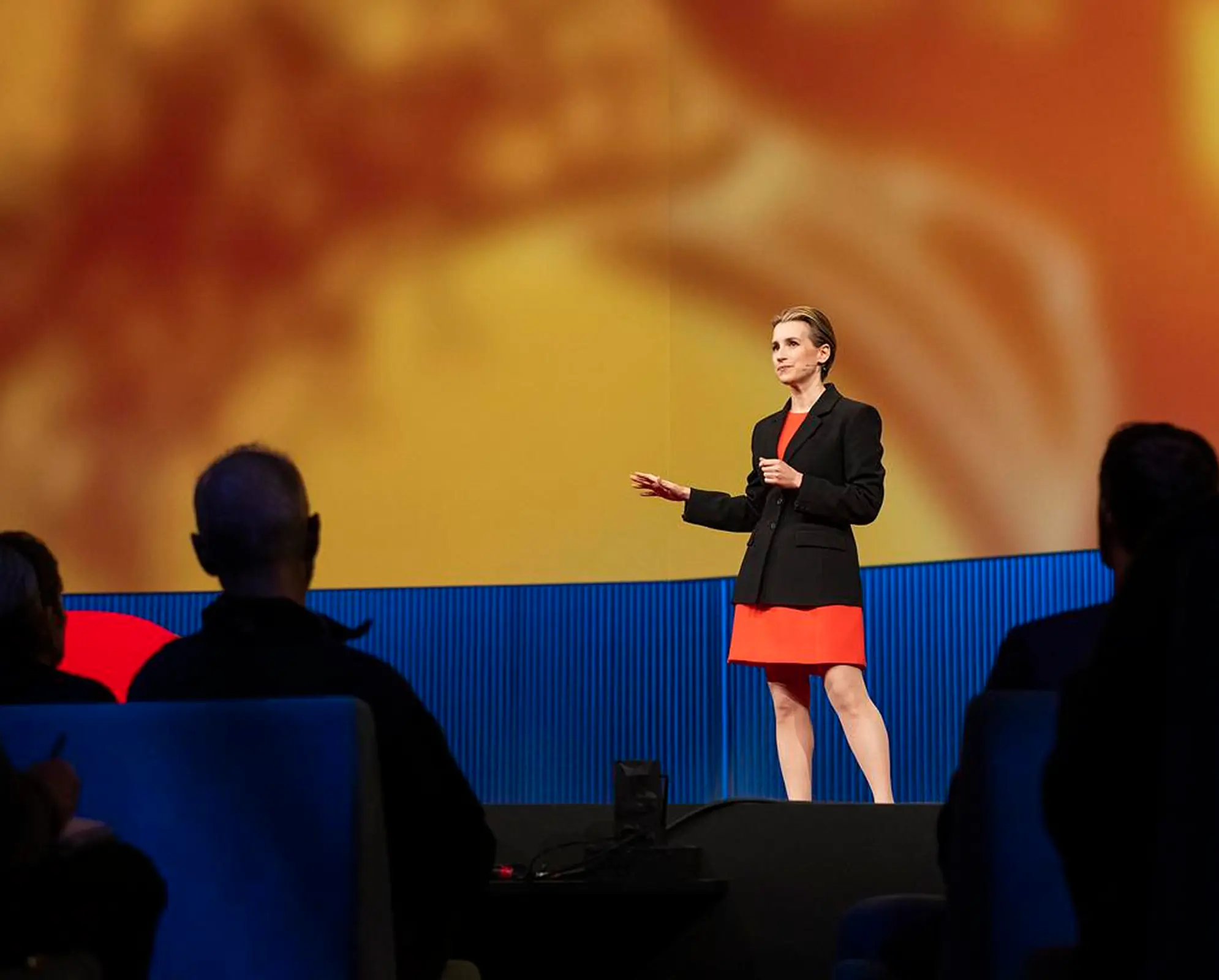
Neuroscientist and TED Fellow Beck Brachman captivated the TED2025 audience by revealing how she is decoding our bodies’ immune “archives,” opening pathways to understanding diseases that have puzzled medicine for generations.
TED is pioneering new pathways for ideas to go further
The Global Ideas Search crowdsourced 4,670 breakthrough ideas from 85 countries.
TED Games opened new channels for learning through interactive play.
Groundbreaking audio experimentation propelled How to Be a Better Human from 500 to over 20,000 hours of listening with support from the John Templeton Foundation.
Next Up:
Catalyzing ideas into impact